





Your Health, Your Control: A Q&A Guide to Home Health Monitoring
Home health monitoring is no longer just for the tech-savvy or those with severe chronic conditions. It’s becoming an accessible and empowering tool for anyone looking to take a more proactive approach to their well-being. But what exactly is it, and how can you get started? We sat down with Dr. Anya Sharma, a specialist in digital health, to answer your most pressing questions about health monitoring at home.
Q1: What exactly is health monitoring at home?
A: Simply put, health monitoring at home involves using devices and technologies to track various aspects of your physical and sometimes mental health in the comfort of your own environment, rather than relying solely on periodic visits to a doctor’s office. This can range from simple tools like blood pressure cuffs to sophisticated wearable fitness trackers and smart scales. The core idea is to gather data about your health trends over time, which can provide valuable insights.
Q2: Why is home health monitoring becoming so important?
A: There are several key reasons driving the surge in home health monitoring. Firstly, it empowers individuals to become active participants in their own healthcare journey. Instead of being a passive recipient of care, you gain a deeper understanding of your body’s signals. Secondly, for individuals managing chronic conditions like diabetes, hypertension, or heart disease, it allows for continuous tracking and early detection of potential issues. This can lead to more timely interventions and potentially prevent serious complications. Finally, with the rise of wearable technology and the Internet of Things (IoT), these devices are more accessible, user-friendly, and affordable than ever before, making proactive health management a real possibility for many.
Q3: What are the most common types of health monitoring devices used at home?
A: The spectrum of devices is quite broad, catering to different needs. Some of the most common include:
Wearable Fitness Trackers & Smartwatches: These are incredibly popular for tracking activity levels, steps, heart rate, sleep patterns, and even blood oxygen saturation.
Smart Scales: Go beyond just weight to measure body composition like body fat percentage, muscle mass, and BMI.
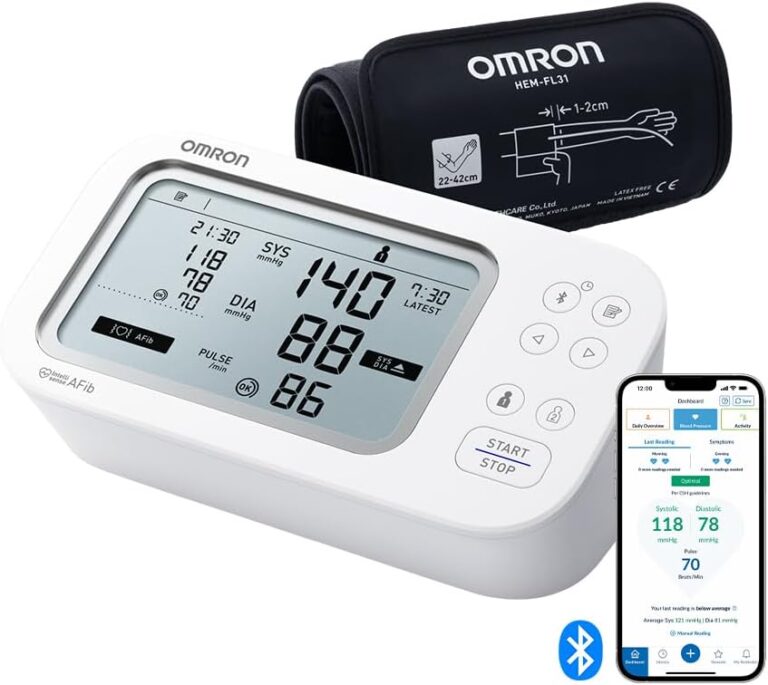
Blood Pressure Monitors: Essential for individuals tracking hypertension.
Glucose Meters: Crucial for people with diabetes to monitor blood sugar levels.
Pulse Oximeters: Measure blood oxygen levels, particularly useful for those with respiratory conditions or during periods of illness.
ECG Monitors: Some advanced wearables and stand alone devices can capture an electrocardiogram (ECG) to detect irregular heart rhythms.
Sleep Trackers: Often integrated into wearables, these analyse sleep stages and quality.
Q4: How can health monitoring at home help with chronic disease management?
A: Home health monitoring is a game-changer for chronic disease management. For example, a person with diabetes can use a continuous glucose monitor (CGM) to see how their blood sugar responds to different foods and activities in real-time. This allows them to make immediate adjustments to their diet or exercise routine, ultimately leading to better glycaemic control. Similarly, someone with heart failure can use connected devices to track their weight and blood pressure daily. A sudden increase could indicate fluid retention, prompting them to contact their doctor before a more serious issue develops. This proactive approach, often referred to as remote patient monitoring (RPM), can significantly reduce hospital readmissions and improve overall quality of life.
Q5: I don’t have a chronic condition. Can health monitoring at home still benefit me?
A: Absolutely! Home health monitoring is not solely for those with pre-existing conditions. For individuals seeking to maintain a healthy lifestyle and practice proactive health, these devices offer invaluable insights. Understanding your baseline heart rate during exercise, your sleep efficiency, or your daily activity levels can help you set realistic goals, identify areas for improvement, and prevent burnout. It’s about building a comprehensive picture of your well-being over time, allowing you to make informed choices about your diet, exercise, and overall lifestyle.
Q6: How do I choose the right health monitoring devices for my needs?
A: Start by identifying your personal health goals. Are you looking to increase your fitness, manage your sleep, or simply gain a better understanding of your body’s daily responses?
* For general wellness: A good quality fitness tracker or smartwatch is often a great starting point.
* For specific concerns: If you’re tracking blood pressure or blood sugar, speak to your doctor about recommended devices and measurement ranges. They can often guide you towards FDA-approved or medically verified options.
* Consider data integration: Think about whether you want devices that sync with a single app or integrate with your electronic health record (EHR) if your doctor offers that.
* Accuracy and ease of use are paramount: Read reviews and, if possible, try out devices before committing.
Q7: How can I ensure the accuracy and reliability of my home health monitoring data?
A: Accuracy is crucial for making informed decisions.
Follow device instructions carefully: Ensure you’re using and calibrating your devices according to the manufacturer’s guidelines.
Consistency is key: Take readings at the same time each day, under similar conditions (e.g., after resting).
Understand normal ranges: Familiarize yourself with what are considered healthy ranges for your vital signs.
Don’t panic over single readings: Look for trends rather than fixating on one-off measurements.
Consult your doctor: If you have concerns about the accuracy of your readings or notice significant deviations, discuss them with your healthcare provider. They can often help interpret the data and troubleshoot any issues.
Q8: What are the privacy and security considerations with health monitoring devices?
A: This is a very important question. While the convenience of personal health tech is appealing, it’s essential to be aware of data privacy.
* Read privacy policies: Understand how your data is collected, used, and stored by the device manufacturer and compatible apps.
* Strong passwords and security: Use strong, unique passwords for your accounts associated with these devices.
* Be cautious with third-party apps: If you’re syncing your data with multiple apps, ensure you trust their privacy practices.
* Consider cloud storage: If your data is stored in the cloud, understand the security measures in place by the provider.
* Discuss with your doctor: Your doctor can advise on secure ways to share your health data with them if needed.
Q9: How do I share my home health monitoring data with my doctor?
A: The easiest and most effective way is to discuss this with your doctor during your appointments. Many healthcare providers are embracing remote patient monitoring and have systems in place to receive data. This might involve:
* Direct integration: Some devices sync directly with your EHR.
* App sharing: You might be able to share reports or data summaries from your health app with your doctor.
* Manual reporting: You can also bring printouts or screenshots of your data to your appointments.
Always ask your doctor about their preferred method of data sharing to ensure they receive the information they need.
Q10: What’s the future of health monitoring at home?
A: The future is incredibly exciting! We’re seeing a shift towards more integrated and intelligent health monitoring systems. Think about AI-powered platforms that can analyze patterns and predict potential health issues before they become serious. We’re also seeing more non-invasive sensors that can track a wider range of biomarkers, from stress hormones to hydration levels. Ultimately, the goal is to make health monitoring more seamless, personalized, and proactive, allowing individuals to live healthier, longer lives.
By embracing home health monitoring, you’re not just collecting data; you’re gaining a powerful tool for understanding your body, managing your health proactively, and partnering more effectively with your healthcare team. Start small, focus on your goals, and empower yourself to take control of your well-being.
More Queries? How Can I Help?
